Author Archives: SLWhite

Mayors’ Messages

During the last decades of the 20th century, Morrison’s mayors faced complex, and sometimes controversial, issues. A few of them left reports of some of the key happenings during their respective tenures, taking time to summarize their terms in office, saving us from wading through years of minute detail in Town Board minutes and other records. This post, of course, only scratches the surface.

Note: Some of the dates of service are subject to change. We’re still trying to sort it out as sources disagree.

Rolf Paul, Mayor 1980-1984; Trustee, 1974-1980, 1984-2000

Rolf Paul was a central figure in Morrison’s civic life from 1974 to 2000, dedicated to the Town’s well being and progress, but rarely without criticism or controversy. At the end of 1981 and again after 1982, he wrote summaries of significant events and progress in those years. Some of the projects he highlighted were:

  • Assumed operations of the town’s wastewater facility [previously managed by a special district], eliminating separate septic systems
  • Completed a Planning and Design Study by University of Colorado at Denver (UCD) students
  • Gave the Town Hall “a facelift” and oversaw its use by several civic groups, as well as the new Morrison Opera Company
  • Completed a $700M water project, replacing water mains and an old water tank and completing a raw water operational reservoir on Open Space near town
  • Looked forward to development of the Mitel Corporation’s $20 million facilities and employment boost to the area [this project did not materialize]
  • Entered into an agreement with the Mount Carbon Metropolitan District to treat water and wastewater in exchange for facilities improvements [an amended agreement dated 7/31/2025 is still in effect]
  • Worked with the town businesses and new Morrison Chamber of Commerce to sponsor parades, ‘big tent’ antique shows, art shows, pumpkin fests, etc.

In the 1981 summary, Paul wrote:

To the east of us within the next few years there will be a C-470 corridor, and the way in which the land just east of that corridor is utilized is of great concern both to Morrison and to the City of Lakewood. We are working with the City of Lakewood within the capabilities of both municipalities to do what we can to assure development that will prove to be an asset to both communities.

Sometimes it all seems somewhat overwhelming— so few people and so much to consider but we’ve been incorporated since 1906 and feel we really have something very “special” here, and I guess that’s what does keep us going.


Mary Gaylord, Mayor 1984-1990

The efforts Rolf Paul, Dick Scott, and others made to secure Morrison’s future in the preceding years led to a contentious election in 1984. Mary Gaylord ran against Paul, and won the mayor’s role by only 8 votes. After the election, the Rocky Mountain News reported that Gaylord ran on a campaign of making the town’s government ‘more open and less confrontational’:

“We’ll build bridges and get on with the business of the town,” she said. “I never really felt that what Rolf and I wanted for the town was that much different. The difference was in how we delivered the services.” Gaylord praised Paul’s role in putting together a $4.7 million water and sewer project, saying it gives the town some “bargaining chips it never had before.”

Gaylord inherited the job of carrying out the Mount Carbon agreement. Paul and Scott remained on the Board and, along with other Board members, continued to deal with the complexities it brought for years afterward.


Jim Jordan, Mayor 1990-1992; Trustee

During Jordan’s single term, the Town recruited new staff and hired outside bookkeeping services and a back-up sewer and water company. The latter was intended to relieve hard-working DeWayne Rhodig, who was Morrison’s jack-of-all-trades for many many years, from snowplowing to construction. In his resignation letter, Jordan wrote:

My primary effort as Mayor was to introduce a more business-like approach to governing Morrison. The Town now has a conscientious staff that not only maintains regular hours but also keeps compensation time to a minimum. …. I am proud of the fact that the Town Board has managed Morrison well.


Mary Poe, Mayor 1992-1998; Trustee, 1990-1992

In 1998, Mary Poe provided a three-page bullet list of key events and accomplishments (with dates) of the previous eight years, including:

  • Nixed the gambling proposal to bring casinos to Morrison (1992)
  • Negotiated with Bancroft Fire Dept. the land swap east of the Hogback for 321 Highway 8 property (new fire station for them, new town office for Morrison, 1992-1994)
  • Supported the efforts of volunteers… in getting MNHM [Morrison Natural History Museum] off the ground (1992 on)
  • Changed the image of Morrison from being a “Biker Town” to being a “Family Friendly Town” (1993)
  • Put Morrison businesses and attractions on the internet [first town website, 1997]
  • Annexed Cooley Gravel (1.5 years of intense negotiations, 1994-95) [to secure water storage]
  • Successfully completed the Town Hall Renovation, turning a ho-hum, rundown building into a building with style (1996)

She wrapped up the challenges of the job:

Most of these accomplishments required hours and hours of hard work and hard thought, even the one liners. Believe it or don’t, these are what I consider just the highlights of the past 8 years. Maintaining the charm of our small town as a great place to live, while keeping it economically viable is an incredible balancing act and requires constant attention. The Board has strived to do that in a responsible, careful, and yes, frugal manner.

Peter Fischer’s Rock and Other Stories

“Where is Peter Fischer’s Rock?” asked an interested descendant early in my tenure as a Morrison historian of sorts, maybe about 1996. Answering questions was a key part of the job, but this one had me stumped. I’d never even heard of Peter Fischer, though I’m confident Morrison’s earlier historian, Lorene Horton, probably had. His early arrival and many contributions to the area qualify him for “pioneer” status. Why did he seem so little known, hardly remembered?

Peter’s story as adapted and abbreviated from a summary by his great-great-granddaughter Melanie Holmberg:

Peter Fischer, Morrison pioneer

Peter Fischer was born in Germany in 1826 and immigrated to Illinois in 1849 with his family (including parents, brothers, and sister). At age 33, he left the family farm in Illinois (and his wife Catherine) and moved alone to Cherry Creek in the spring of 1859, where he established a nursery business on the shores of Cherry Creek. Catherine joined him in 1860. In 1872 (before the railroad line to Morrison was completed), Peter, Catherine and 6-year-old Clara Fischer moved to Morrison, perhaps because he’d heard about the coming railroad.

After Peter moved to Morrison he “engaged in improving his farm and experimenting on fish and is now in possession of a beautiful beer garden.”1  “Laurelei [also Lorelei] Park, near the mouth of the canon, is the favorite resort of the people of Morrison, and the surrounding country. Its proprietor, Mr. Peter Fischer, has spared neither pains or expense in fitting up a nice place for a summer resort, and seems to be reaping a rich reward for his enterprise.”2

Fischer’s Flume, constructed across Peter Fischer’s Rock “above” Morrison.

Peter may have owned land on “Fischer’s Mountain,” aka Mt. Fischer, now Mt. Falcon. He was also the owner of Fischer’s Ditch and Flume. “Fischer’s Rock,” or “Peter’s Rock,” is the large red sandstone outcrop overlooking Morrison on which he built Fischer’s Flume “to carry water around Mt Glennon to Turkey Creek.”3 He constructed two ponds, one to serve as a swimming pool and bathing area (for which he charged admission) and a lower one to water his livestock and farm (perhaps also for the above-referenced fishery).

After his daughter’s move to Denver and his second wife’s death, Peter suffered multiple financial setbacks and failures. He eventually left Morrison for Denver, impoverished, and was living in a “county home.” He apparently didn’t have a close (or any) relationship with his daughter and grandchildren. At his death, in 1900, he was reported to have dementia.

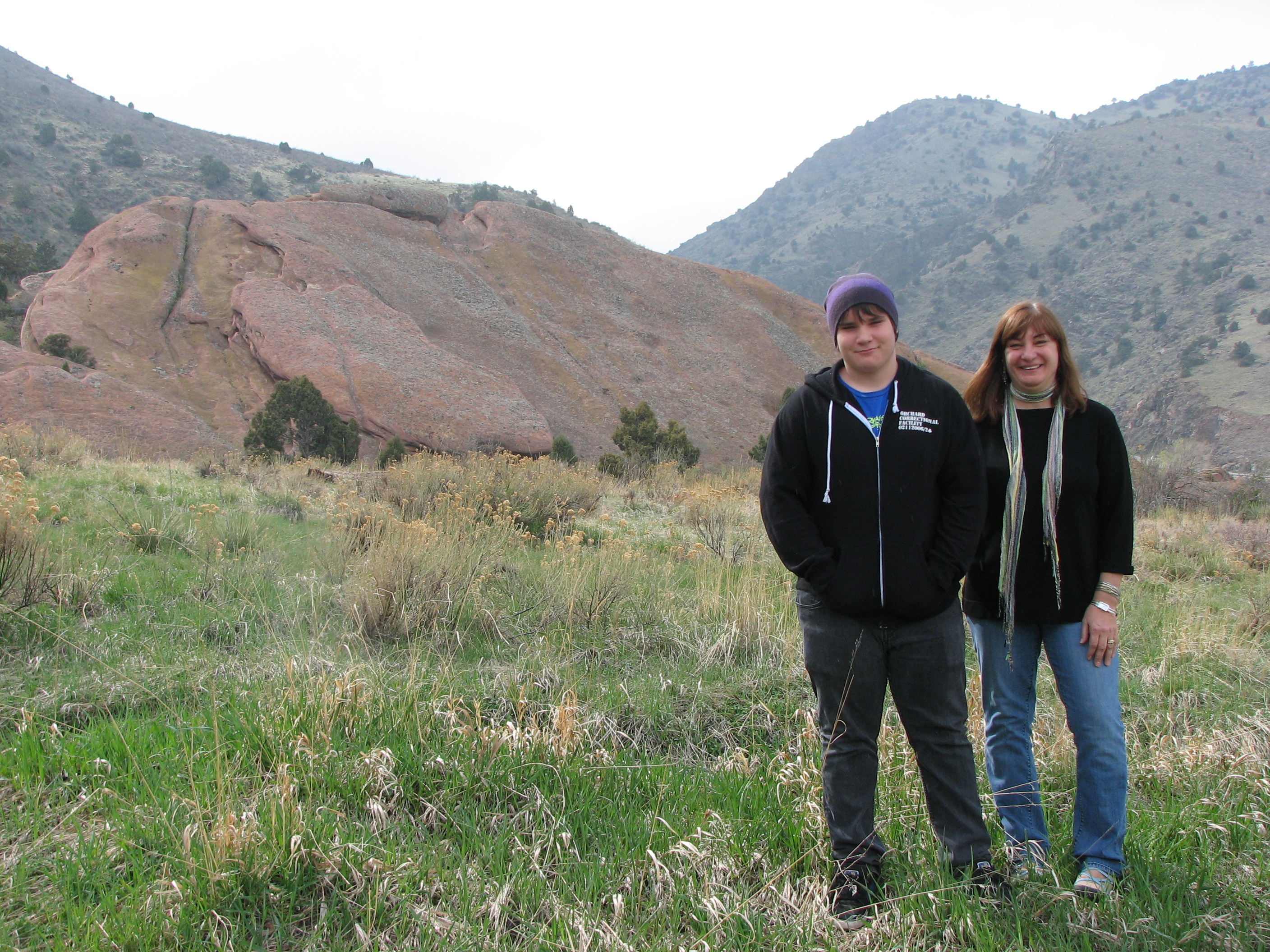
Melanie Holmberg with son Tim, descendants of the Fischers, on a visit to Fischer’s Rock in 2010.

The story of the Fischer family is, of course, far more complex than this overview. Although Clara was the Fischers’ only surviving child, her marriage to Sabatino Tovani (another story) resulted in six children and an array of descendants.

The flume was short-lived and was therefore sometimes known as “Fischer’s Folly.” Evidence of its presence remains in faint traces on the landscape (see photo below).  


Sources:

1 “Morrison Matters: A Word or Two About This Enterprising Foot-Hill Hamlet. Her Business, Agricultural and Grazing Facilities Commented On.” The Rocky Mountain News (Daily), Volume 25, April 27, 1884. 

2 “Lively Morrison: A Rough Sunday’s Work—A Man Kicked to Death on Sunday—Notes of Business Progress and Social Gossip.” The Colorado Transcript, July 20, 1881

3 Kowald, Francis. “A Brief Historical Sketch and Some Reminiscences of The Sacred Heart College,” typed manuscript, circa 1935, housed in Archives and Special Collections, Regis University.

Aerial photo of Morrison area labeled showing approximate location of Fischer’s Flume.

Ginny Paul and the Country Store

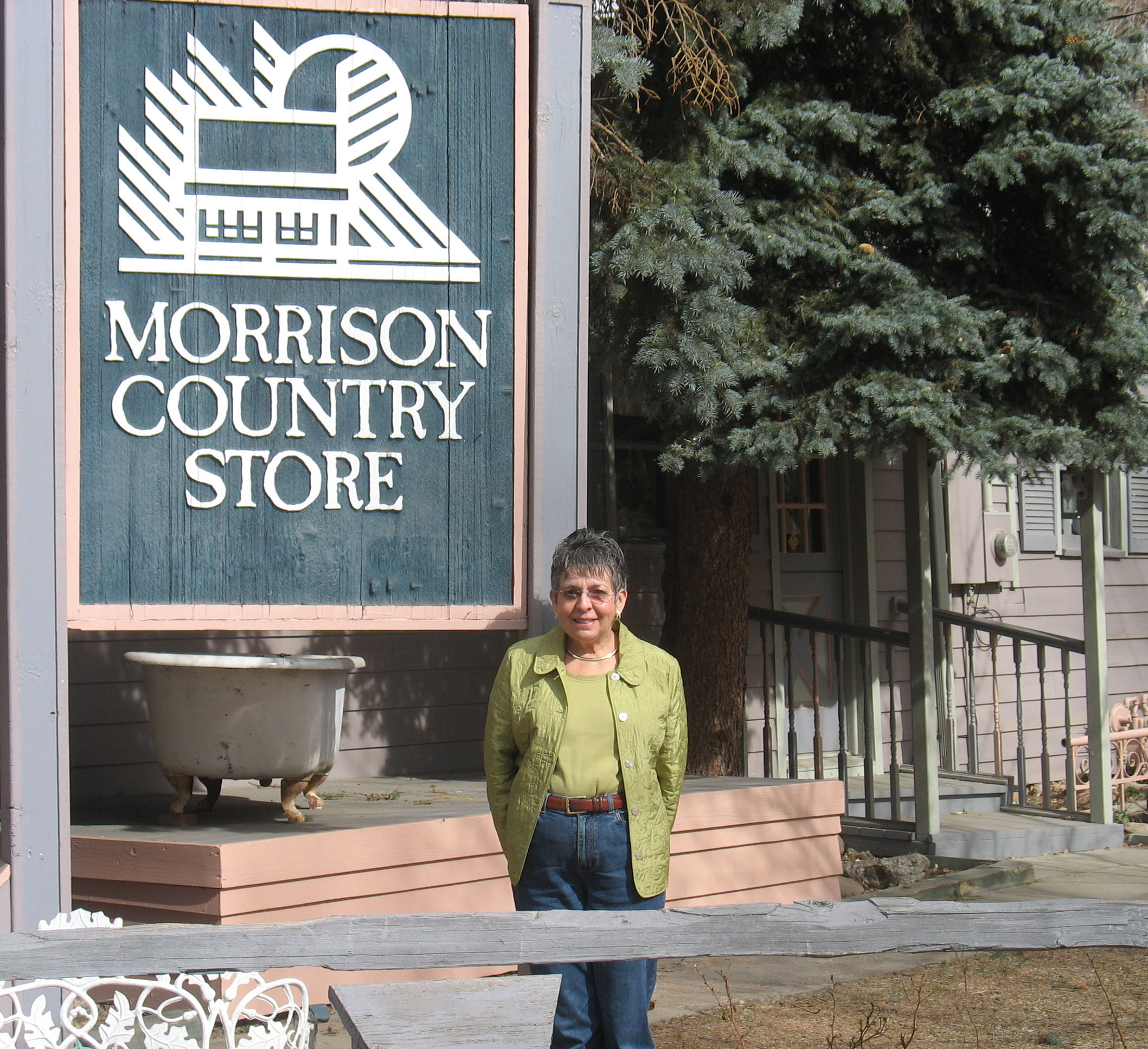
Ginny Paul standing next to the Morrison Country Store sign in 2009, with graphic logo designed by Rolf Paul.

Virginia Paul and her husband Rolf came to Morrison in 1969, where he set up a small printing business in their home. In 1984, she launched her own small business, the Morrison Country Store,* which would become one of the town’s lasting enterprises, drawing customers from across the metro area and beyond. I visited Ginny and documented her charming shop in these photographs in 2009.

Where Rolf was, Ginny writes, “an activist & a mover & a shaker” who served on the Town Board and even as Mayor for a time, she preferred to “stay out of all the controversy… and just be a good citizen.” And a very successful businesswoman, as evidenced by the longevity of the Morrison Country Store, a gift and décor oriented shop with a loyal clientele much like that once drawn by Thee Deacon’s Bench and the town’s many antique stores. The shop was closed in 2018, just two years before Ginny’s death in 2020.

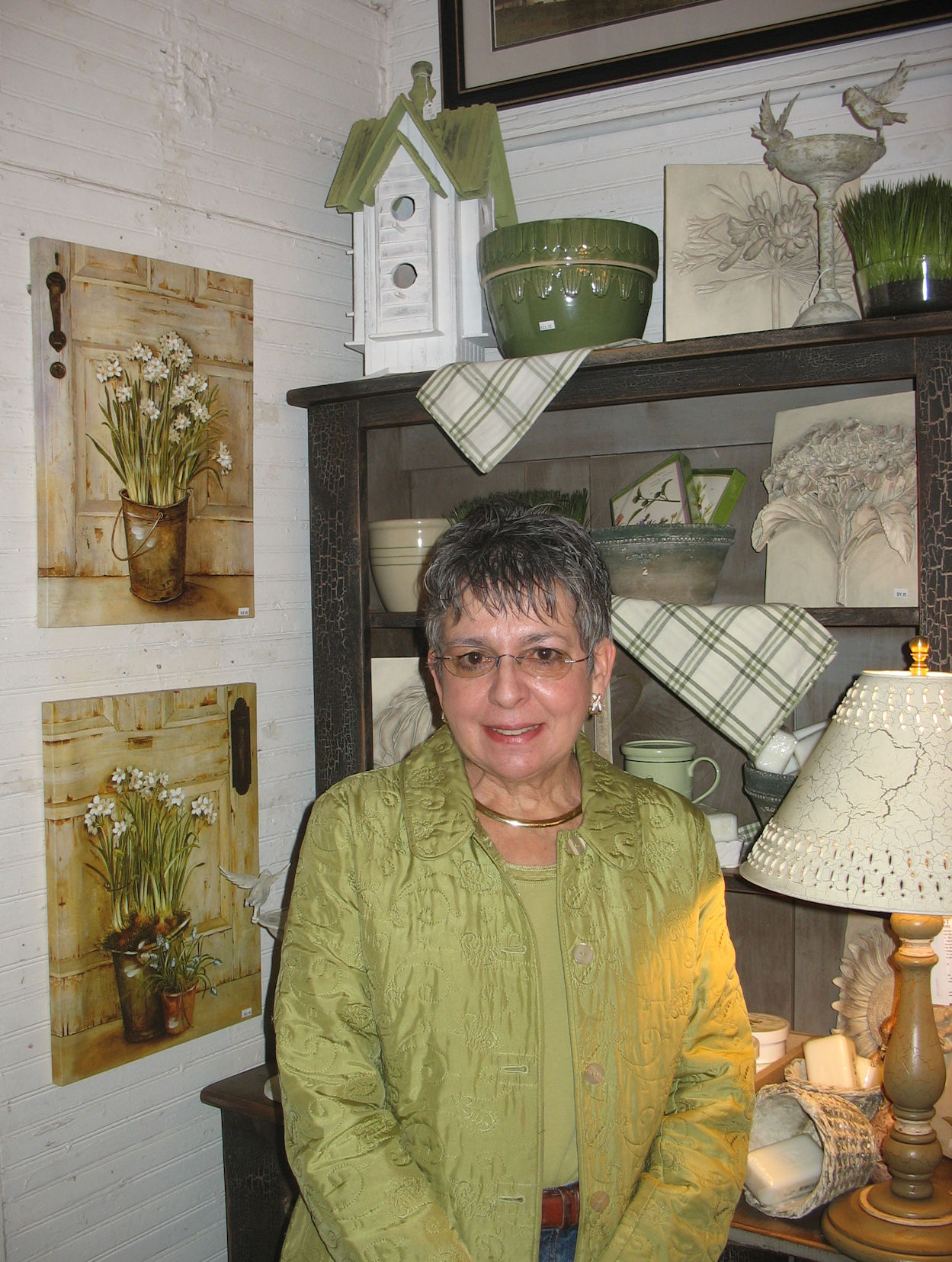
Ginny at the Morrison Country Store in 2009. One of the plaques above her has a Helen Keller quote: "Your success and happiness lie in you."
Ginny at the Morrison Country Store in 2009. One of the plaques above her has a Helen Keller quote: “Your success and happiness lie in you.”

Despite Ginny’s reticence, she did end up serving on the Town Board for several years after Rolf’s death, where she was “an advocate and voice for local businesses.”

Ginny Paul standing with some of the displays at the Country Store, 2009.
Ginny Paul standing with some of the displays at the Country Store.

Rolf and Ginny supported cultural events and organizations in Morrison and beyond, including the Jefferson Symphony and the Morrison Natural History Museum.

Ginny considered the museum “a great addition to the Town” and a “gift of culture to the metropolitan area.”

Ginny Paul and her Morrison Country Store are well remembered by Morrison residents and long-time visitors. Today the Morrison Mercantile carries on some of Ginny’s legacy, in another form.

Quotes above are from Ginny’s letter to the Town Board in February 2002, shortly after Rolf’s death, when she was drawn into ‘controversy and turmoil’ and spoke her mind in response to an edition of Lew’s News.


Remembering Virginia (Ginny) Paul
(Morrison Hogback newsletter, October 2020)

We would like to remember the life of long-time resident, Ginny Paul. She was the definition of “Keep Morrison, Morrison” from her care and dedication to the Town, to her radiating entrepreneurial spirit and fruitful local business, Morrison Country Store. Ginny served her community well. She selfishly [sic] volunteered her time to the Planning Commission and Board of Trustees throughout her years. During Ginny’s time on the Board and Planning Commission, she was an advocate and voice for local businesses, an integral part in the Rooney Valley Development discussions and Town Comprehensive Plan update in 2008. Her insight as a resident and business owner allowed for a unique perspective that was appreciated and valued in the Boards’ policy making. Ginny will be greatly missed, and we send our sympathy to her friends and family. Morrison will not be the same without her.

* Actually, even before Ginny began her business, the location was known as the Morrison Country Store, run for many years by Tom and Bonnie Hicks, who specialized in antiques and collectibles.

The Morrison Greys (or Reds?)

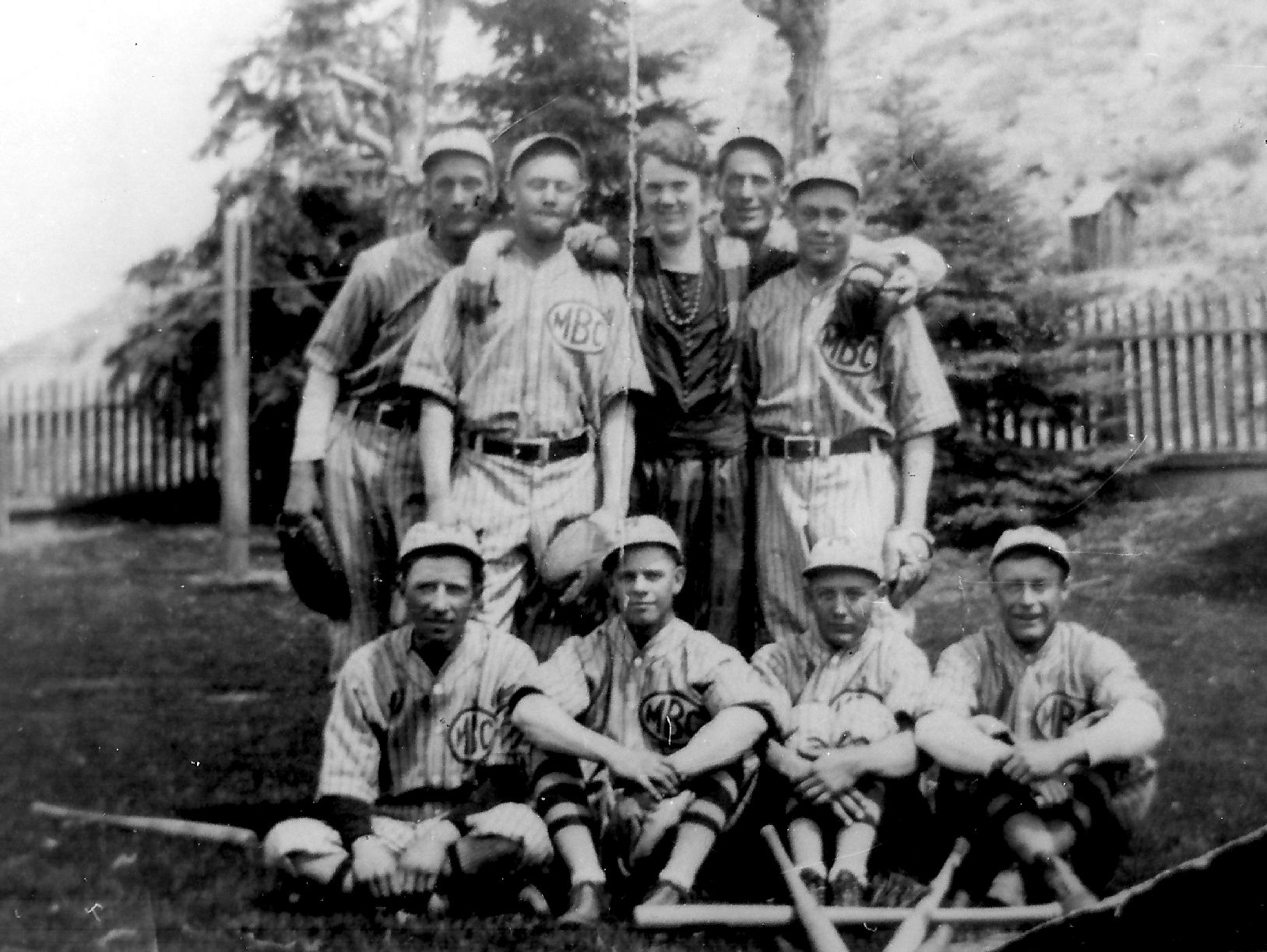
The Morrison baseball team, about 1915. Front row: Lawrence Knolls, Dan Schneider, Ted Schrock, Billie Sawyer. Standing: Henry Recks(?), Joe Schrock, Mrs. Kirby, Jim Groom, Tom Fleming.
Morrison fielded baseball teams regularly in the last century. The ballfield was east of town, where the wastewater management plant now stands. “Mrs. Kirby,” Lizzie C. Kirby (aka “Babe”), lived on Spring St. and served in Red Rock Circle No. 130 of the Women of Woodcraft in 1906 (Jeffco Graphic, 2/16/1906) and as a lecturer in the Bear Creek Valley Grange in 1912 (Arvada Sun, 1/19/1912).

Morrison Baseball Timeline

  • May 1902: Morrison Baseball Club (MBC) defeated Littleton 12 to 13(?). “The game was well played, close, and exciting.” Battery for Morrison included Nay, Evans, and Johnson; Littleton: Norton, Smith, and Bell. (RMN, 5/31/1902)
  • 1908: “The Morrison Greys are showing fine form this year in scoring a 12 to 9 victory over the Twenty-first infantry team in a game at Morrison.” Howell and Boyd formed the winning battery. (RMN, 4/29/1908) 
  • March 1910: “Morrison Reds will play any amateur team Sunday for expenses”; telephone D. Durham. (RMN, 3/26/1910)
  • May 1910: Morrison team defeats Manchester Athletic club, 12 to 6. (5/30/1910)
  • June 1910: Morrison wants a game for next Sunday. (RMN, 6/17/1910)
  • May 1927: Mt Morrison organizes a team; holds a dance to raise money for the “suits”
  • June 1927: “Morrison will entertain the Mines & Smelter team of Denver” Sunday. (RMN, 6/5/1927)
  • August 1930: Guy Hill team will play Morrison nine on Labor Day (Jeffco Rep, 8/28/1930)
  • Sept 1930, Golden Reds played Morrison in RR Park; Morrison won 8 to 4. (Jeffco Rep, 9/11/1930)

RMN = Rocky Mountain News Jeffco Rep = Jefferson Co. Republican

Businesses Old and New

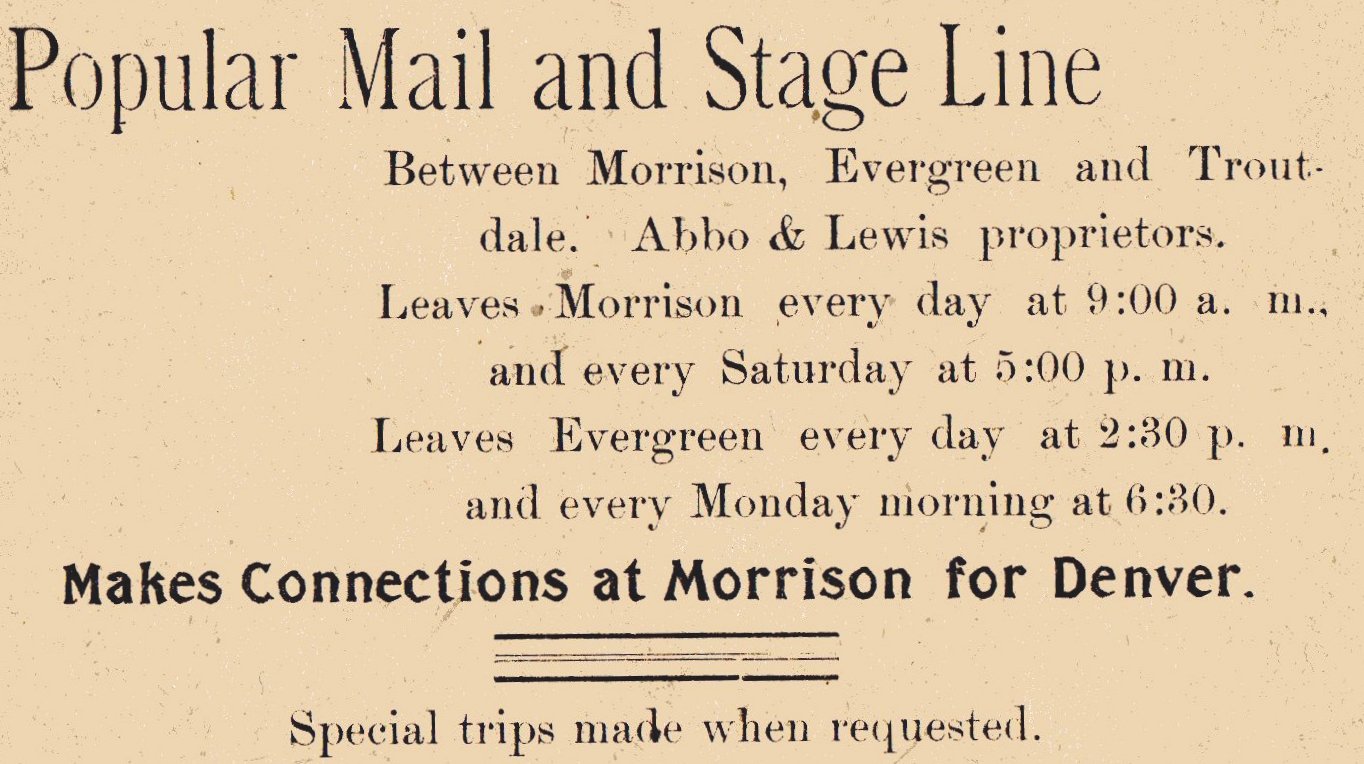
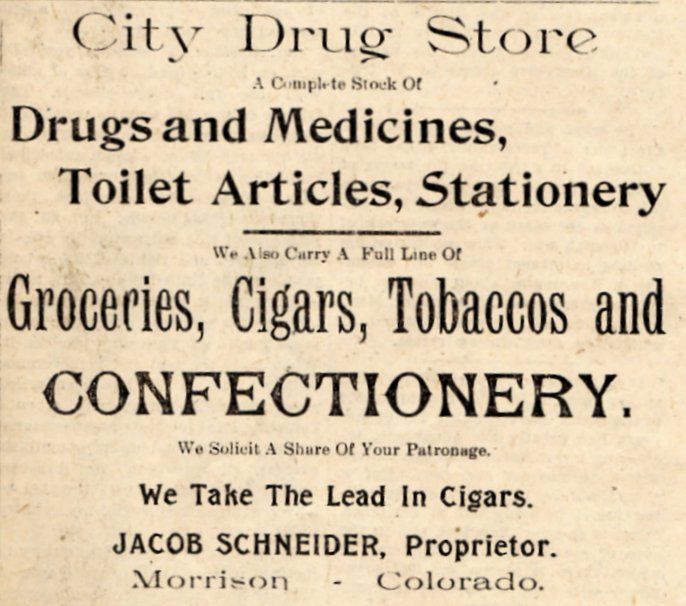
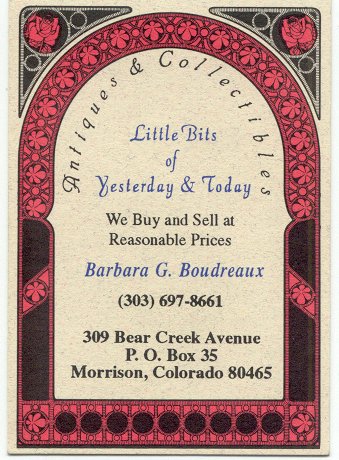
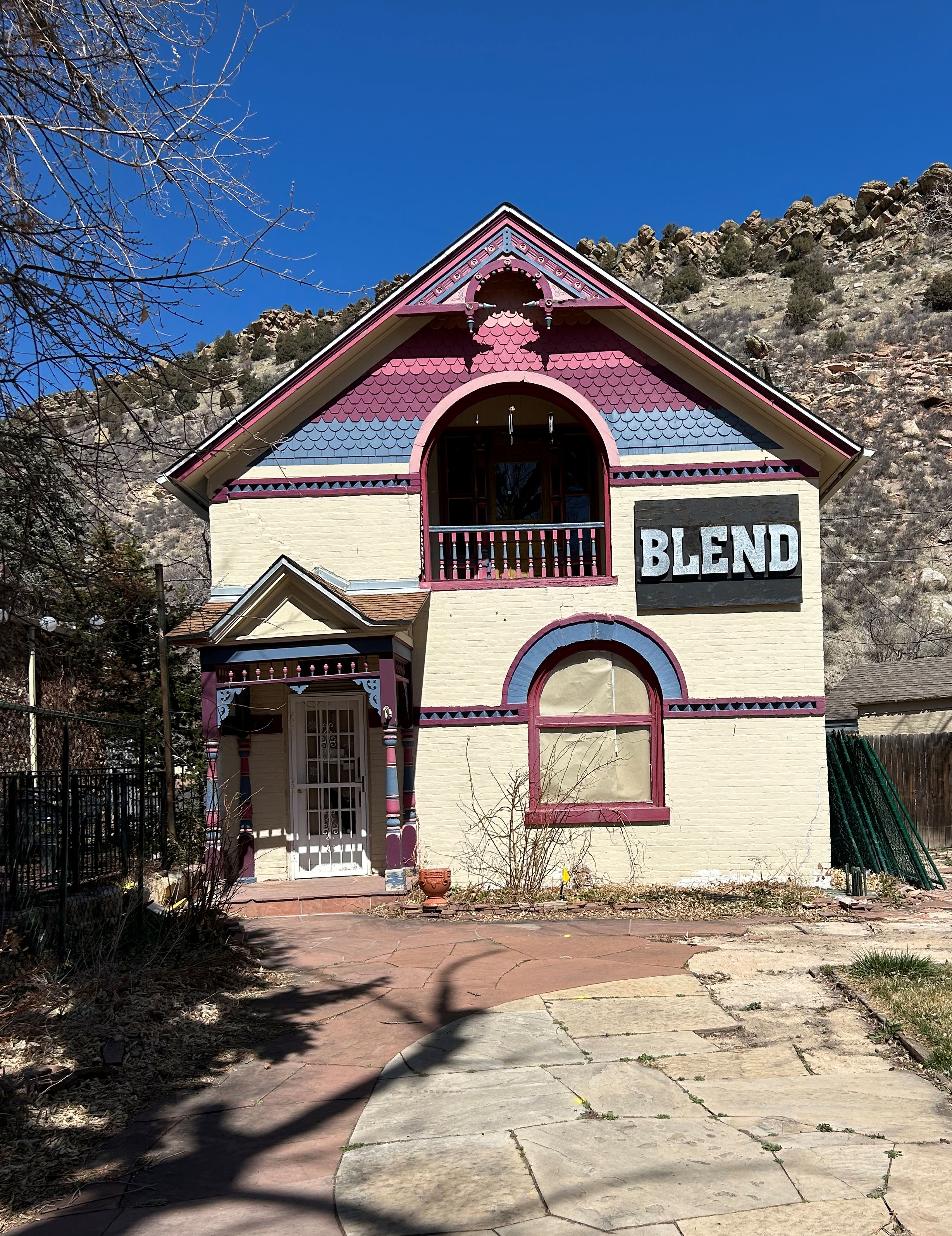
Some of Morrison’s historic downtown buildings have hosted businesses for more than a hundred years. Here’s a quick walk through several historic enterprises, and a handful of newer ones. Click any image to enlarge and/or view as slideshow.


Morrison promotional graphic "Experience Morrison" with town logo and slogan "The nearest faraway place."

In the 1980s-2000s, Morrison promoted itself as a destination for the metro area. Mayor Rolf Paul (1980-84), a graphic artist, contributed a town logo, and Mayor Mary Poe (1992-98) adopted “the nearest faraway place” as a slogan.

Some of the later 20th-century businesses cycled through so quickly they were soon forgotten; others endured for decades. Here are a few to test or refresh your memory.

New Site Content in 2025

As of June 11, 2025, each of our 70 historic sites has its own page, linked from the Places page, and we are in the process of adding comparable 2025 photos to many of them. Please let us know if you spot any errors.


The first four months of this year have been a flurry of activity here at MorrisonHistory.org. Engagement of a few new people bodes well for the year and leads us to expect more content and more voices as the year proceeds.

Site content comes in two forms: “posts” like this one, which are dated and listed in chronological order with the newest on top. Posts generally deal with single topics, general summaries, or stories about people and places. “Pages,” which are more fixed, form the underlying structure of the site. The top menu is made up of pages, and all of the “Place” descriptions are on pages.

We’ve published 21 new posts since the beginning of this year, for a total of 48 published posts. Several more are in progress, and we have a long list of topics we hope to cover. To help you access any posts of interest, we’ve listed them by category. Note that many posts appear in more than one category.

As of this writing, we also have 67 published pages; most are of individual historic sites, or Places. We’ve recently added 38 new pages for the historic sites, bringing our total to 50 out of the 70 sites listed in the Morrison Historic District. Most contain photos from the 1976 historic documentation as well as repeat photos taken in 2000. Many also have historic photos. Please visit the Places page for links to each site to see how much— or how little— Morrison has changed over the years.

If there are topics or places you’d like to hear more about, please let us know in the comments. We appreciate your interest and look forward to hearing from you!

Morrison’s Lost Places

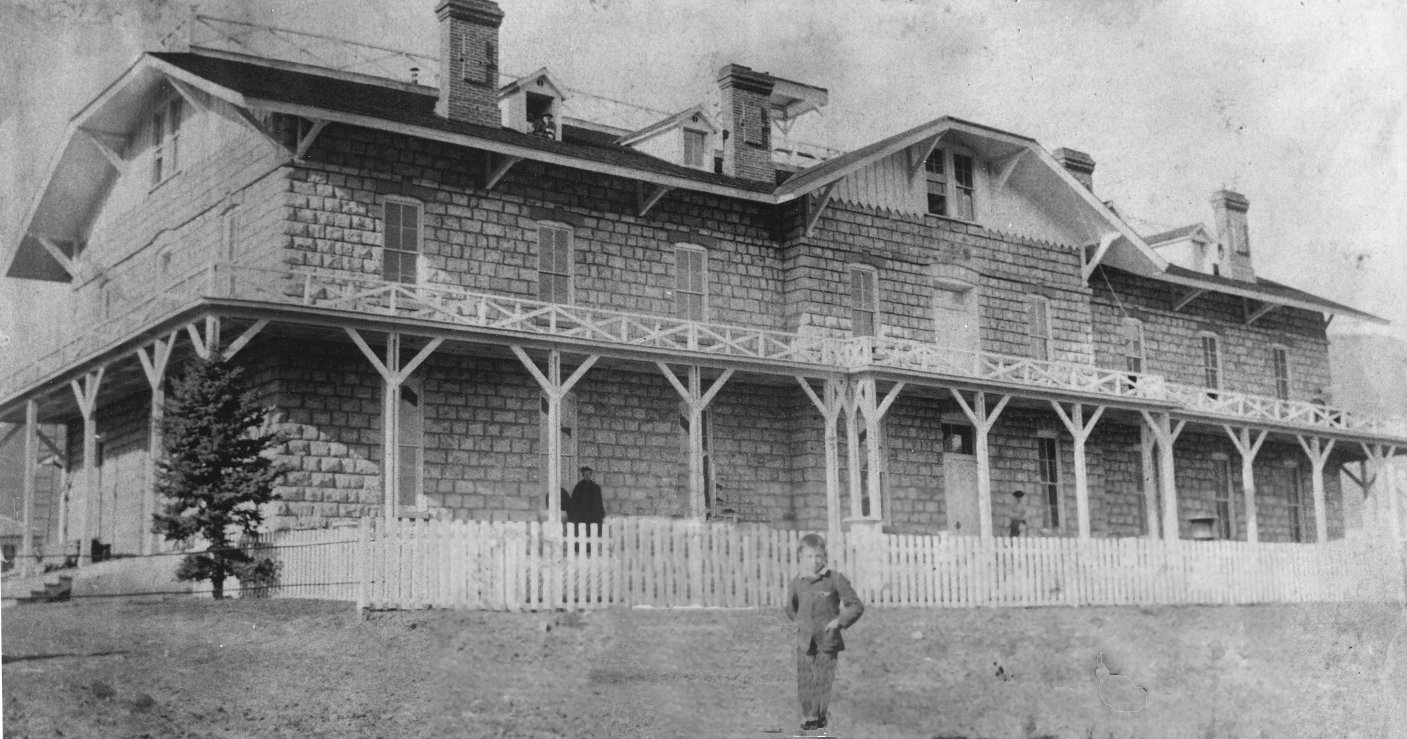
Historic structures like these may be lost to “natural causes” like fire and flood, or to deterioration and demolition. Only a handful of Morrison’s buildings date to those early years of the 1870s; many have been replaced. Morrison celebrated its sesquicentennial in 2024, but more change is ahead for this small town. Click any photo to enlarge and view as a slideshow.

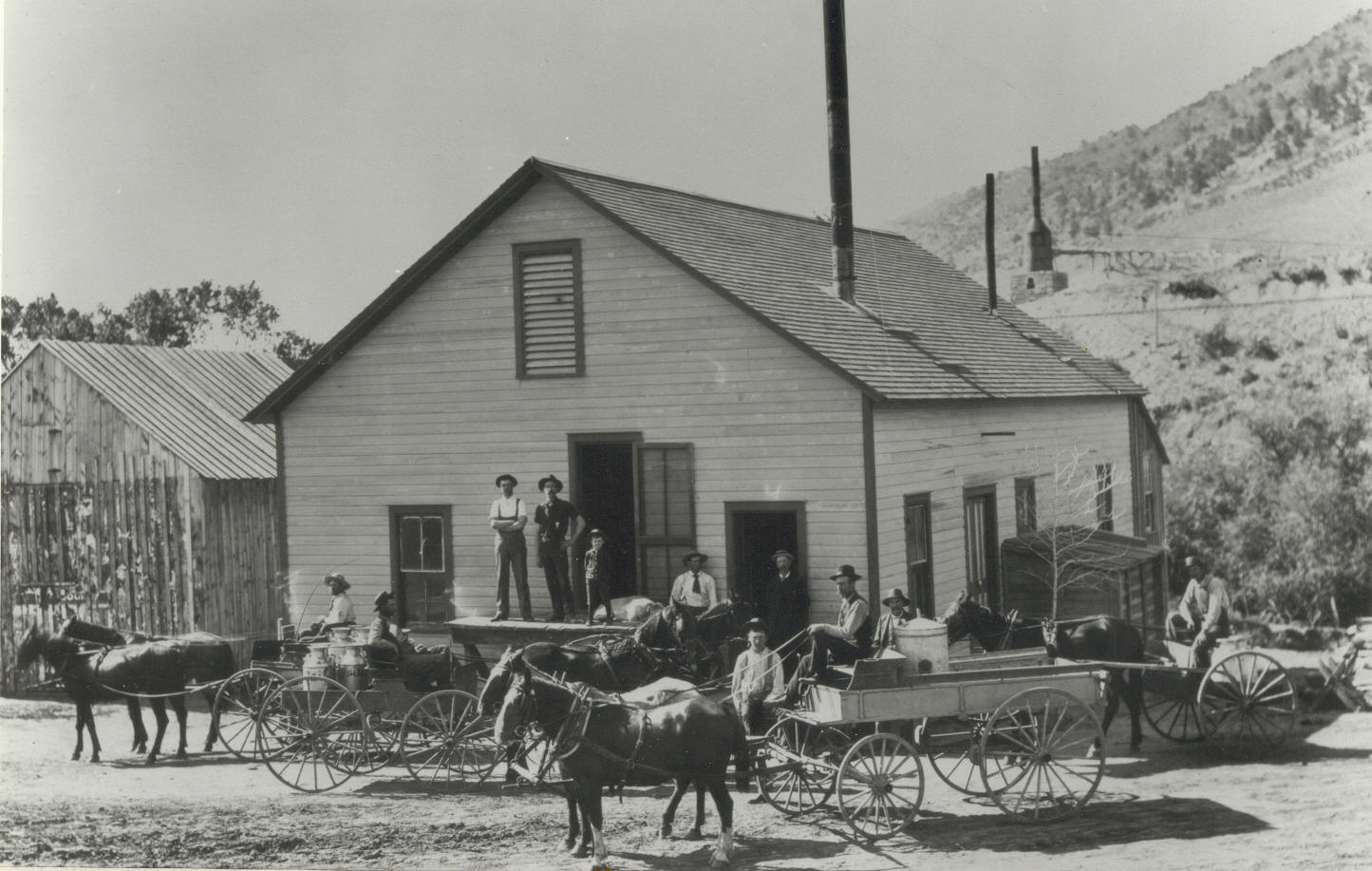
We are fortunate that, of the 70 documented sites in Morrison’s Historical District, 85% are still intact, though some are modified to various degrees. Seven of the 70 were listed as “sites,” that is, they were already gone in 1976 when the historic district was designated. Only three listed properties (#10 Tom Lewis Home, #39 Abbo’s Dwelling, and #52 Florence Smith House) have been lost since 1976. The Creamery, the Lime Kiln (demolished circa 1985), and the Dance Pavilion were not included in historic district documentation.

Jeffco Archives Houses Morrison’s History

We’ve started a Morrison History Collection at Jeffco Archives!

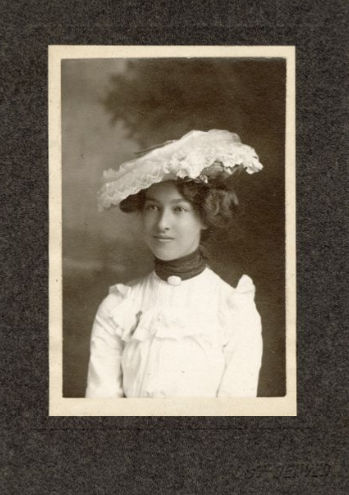
This miniature cabinet card with photo of Mabel Angevine was found in Nora Rooney Pike’s house in 2022. From Jeffco Archives.

In August 2024, county archivist Ronda Frazier finished organizing a motley collection of documents, photographs, and memorabilia sent to Jeffco Archives by historical researcher Sally White. Although this collection does not include all the older files and records gathered by long-time town historian Lorene Horton, it expands the scope with records from the decades since the National Register Historic District was designated in 1976. More than ten cubic feet of materials, 25 boxes!, touch on an array of subjects, including related local organizations such as the Lariat Loop, Dinosaur Ridge, Denver Mountain Parks, and Morrison’s Natural History Museum.

Many of the photographs and postcards have been scanned and are accessible in the Jefferson County Digital Archives by searching “Morrison” or other relevant keywords.

Although most of the collection is not online, Ronda has created a detailed finding aid that will enable seekers to review the contents of the collection. She has arranged the contents in eight series, including ephemera, photographs, scrapbooks, and an extensive postcard collection.

A few special items are in the collection:

  • Wesselman Family Papers: Includes photos of Morrison Pioneer Days, and family history information shared by Frances Ourada.
  • Morrison School Renovation: A collection of materials from Fred Putz, who purchased the old Morrison Schoolhouse in the 1960s to renovate it into a residence, gallery, and studio.
  • Morrison Cowboy Celebration: Programs, posters, photos, and records of this event in the late 1990s.

To access the items from the collection in person, you can make arrangements with Ronda by calling 303-271-8448 or emailing her at rfrazier@co.jefferson.co.us.

Help Grow the Morrison History Collection!

Old or even newer records and photos may be of interest as we seek to create a more complete record of the town’s past. The collection spans information from 1892 to 2022, but is not a complete record. History never stops, and new items are always being added. Jeffco Archives offers safe, secure storage and proper handling of older materials, as well as organizing them and making them accessible to researchers. Contact Ronda for more information on donating documents and photos to the Jeffco Archives.

Pioneer Days in Review

Pioneer Days celebrations in Morrison are part of what we might call its modern history– a period from the mid-20th century onward that wasn’t as well documented by the town’s historic researchers. When interest in the town’s history bloomed in the mid-1970s, the 1940s-50s were too recent and still well remembered by residents.

This post is an initial attempt to piece together some of the story of these town celebrations, the first of which took place in 1948. In their heyday, they drew hundreds from a wide area to the tiny town for a day or a weekend reminiscing about those “good ol’ days” past when Morrison was a rough-and-tumble town of the old West. Standard features included a parade, designation of a Pioneer Queen, and, often, a buffalo barbecue. We have sparse info on these events, so we’d love to hear from you if you have stories to share.

At some point, likely after the “revival” of the 1970s, the event was renamed Morrison Day(s), and papier maché dinosaurs even got into the act.

1948: A New Event in Town

According to the Rocky Mountain News, the first celebration, on August 23, 1948, was to honor the living pioneers of the town. Festivities began at 10 a. m. with games and contests and were highlighted by a parade at 6 p. m. Mrs. Maggie Crow, pioneer resident who drove a mail coach from Mt. Morrison to Conifer, led the parade from the Pratt and Rooney Ranch through the town. The program was climaxed by a buffalo barbecue sponsored by the Denver Mountain Parks. Proceeds from the event were planned for use to purchase new fire-fighting equipment for the community.


July 30, 1949:

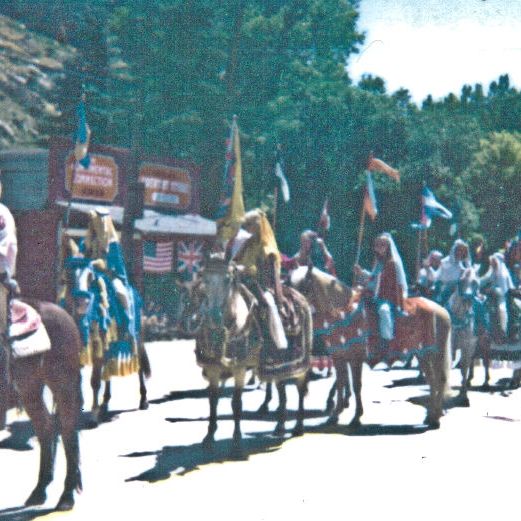
More than 2,500 people from more than a dozen states flocked to Morrison for its Second Annual Pioneer Days celebration, the Rocky Mountain News reported. The parade included 200 mounted horsemen and a couple dozen floats and hayracks. The event featured a retelling of the “deadly duel in Morrison,” a story from 70 years earlier.

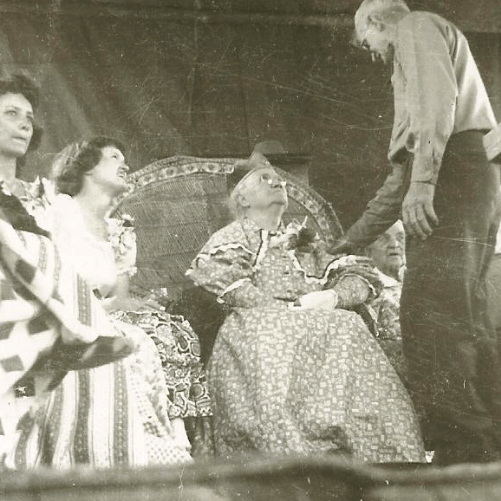
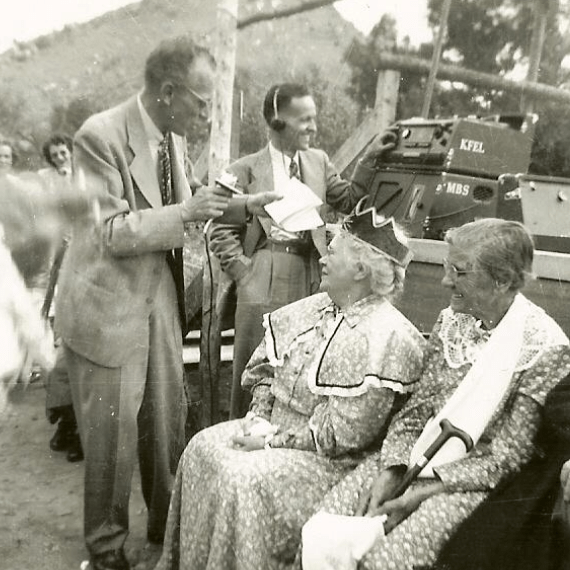
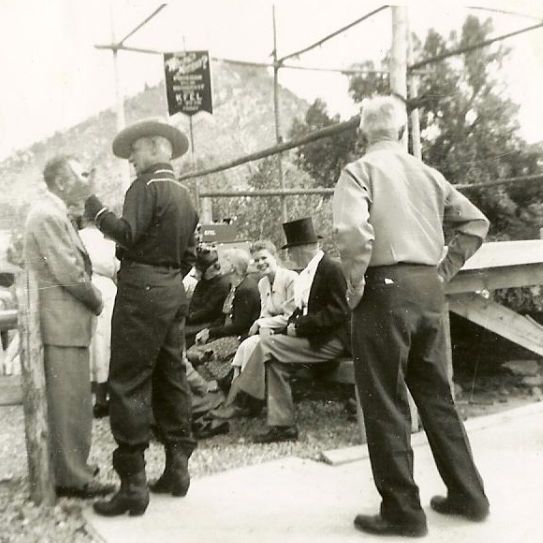
Mrs. Effie Mae Knoll, 72, was crowned Queen on the basis of her “colorful” pioneer background. Mrs. Knoll’s parents, John and Nancy Groom, came to Colorado in 1875 in a covered wagon and homesteaded in Turkey Creek canyon, where they freighted logs and ties to Morrison with oxen and horse teams. Effie grew up as one of eleven children in the Groom family before marrying James Knoll and raising her own 14 children in Morrison. Click to enlarge photos and show captions.


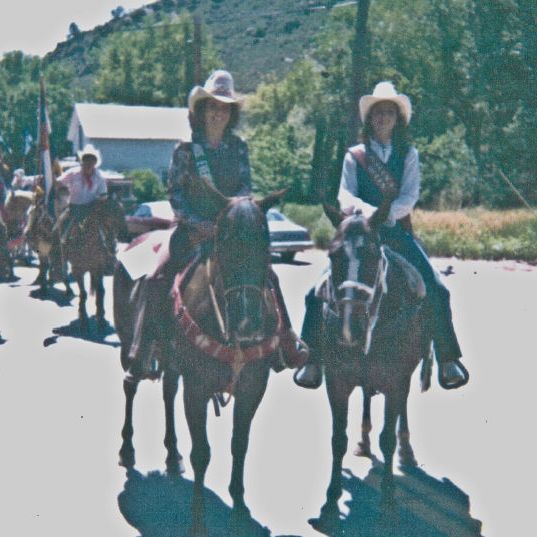
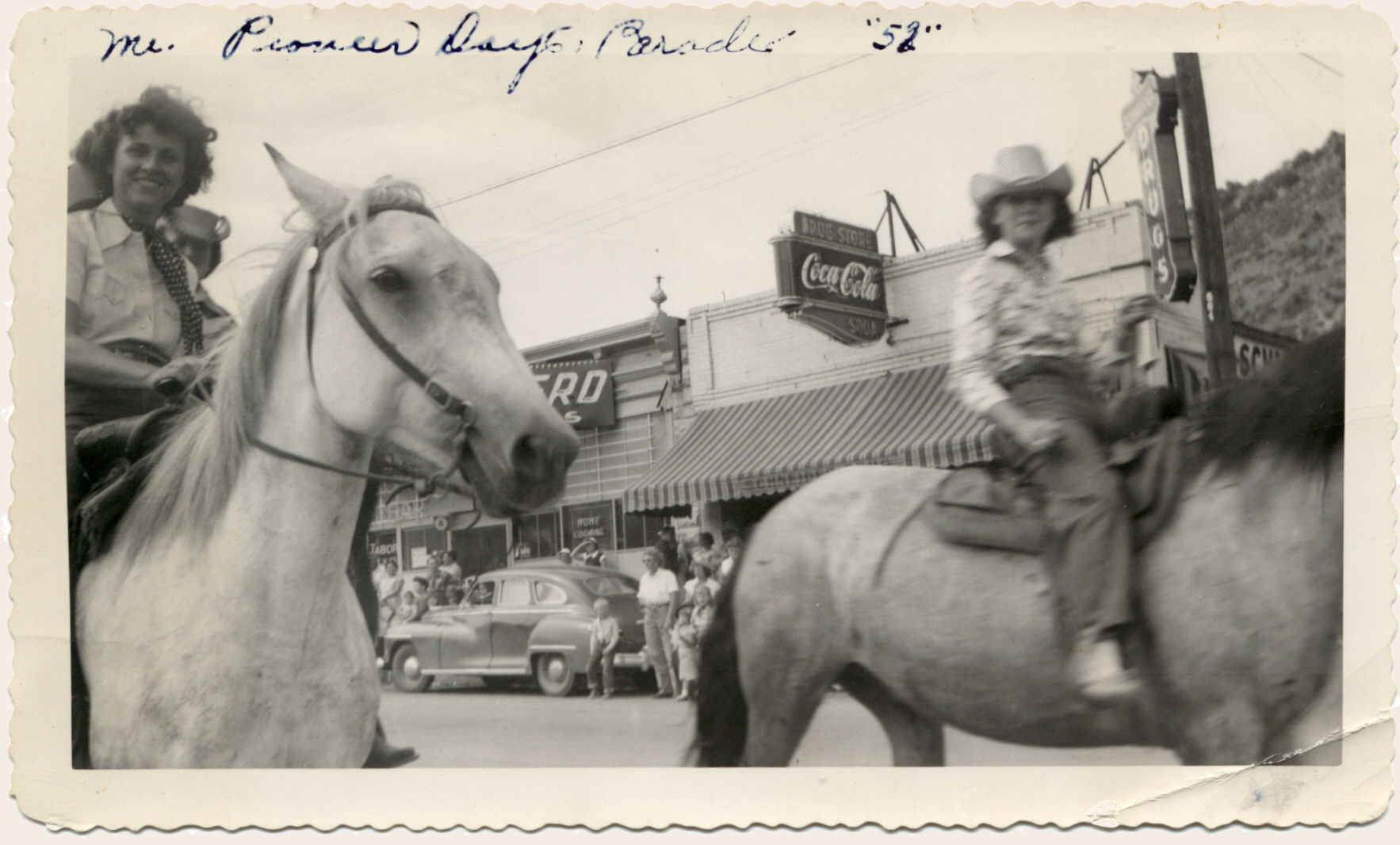
Two young ladies riding in the Pioneer Days parade, 1952.

July 31, 1954:

The Morrison Boosters Club sponsored the festival this year. Mrs. Molly Pike was the designated Queen of the event and led the parade that opened the festivities. Attendees enjoyed a pie-eating contest, dancing, horseshoe pitching, and a talent show. A highlight of the day was a buffalo barbecue arranged by the Westwood Lions Club. Kids enjoyed a field day organized by the Mountain Valley Recreation Association.


August 16-17, 1975: Pioneer Days Revived

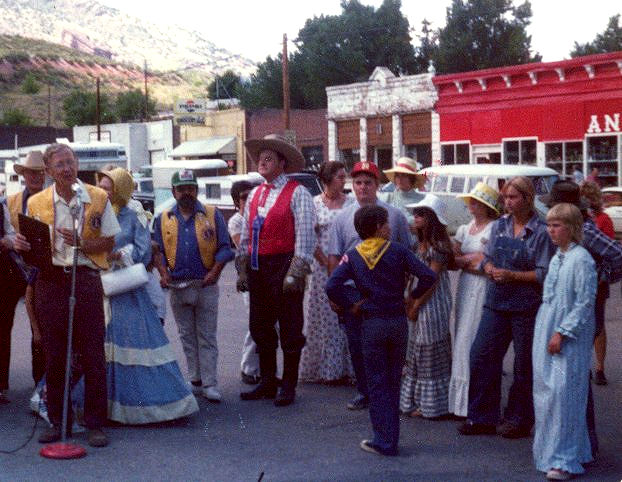
Red Rocks Lions (gold vests) and others gather to participate in the 1975 Pioneer Days.

“Return with us now to those thrilling days of yesteryear…” wrote the Canyon Courier in promoting the revival of Morrison’s Pioneer Days. The weekend-long event owed its return to the Centennial/Bicentennial enthusiasm that gripped the state in the mid-1970s. Clifford Morrison, great grandson of town founder George Morrison, presided, and activities included an art show, a parade, an historical walking tour, and a flag ceremony.


August 22, 1976:

Lifelong Morrison resident Bertha LaGrow Stickler was Queen of Pioneer Days this year. Mayor Gail Molinaro presided over the event, which featured contributions from Westernaires; Red Rocks Lions Club, parade organizers; and the VFW Color Guard. Click to enlarge photos and show captions.


July 11, 1981:

The Morrison Chamber of Commerce sponsored this year’s event, which started with an old-fashioned western parade from the west end of town, winding through the main street, up Stone Street to Mount Vernon Avenue to the east side of town, then turning west again on the main street. A “2nd annual” bluegrass fiddle contest and black-powder shooting matches were other activities. The day wrapped up with a country western street dance in the heart of town. “Founded in the 1860s,” the Golden Transcript reported (July 7, 1981), “Mount Morrison is truly an early frontier Colorado town with many of its original buildings still very much in use today.”

Tidbits Around Town

In “recent” decades (1990s on?), the town or entities within it have published newsletters to keep residents apprised of local happenings. These newsy notes also capture part of the evolution of desktop publishing since its early days in the 1980s.

Such wonderful little slices of modern history– we wish we’d kept more of these! Here are a few milestones, events, and general memories from a few issues at hand.

From Town Talk, September 1992:

  • The construction of the new fire station has begun east of town on Hwy 8. [Lakewood/Bancroft moved from today’s town office/police building to the new location and is now known as West Metro.]
  • Saturday, October 31st was scheduled to be Cider Days on the Bear Creek Nursing Center lawn, co-sponsored by the Morrison Action Committee and the Front Range Antique Power Association. Yes, there was a tractor show.
  • The town office staff solicited recipes from “All Ye Great Cooks” for the “Morrison Recipe Roundup Cookbook.” [Wonder what happened to that project.]
  • A Fireside Chat at the Morrison Natural History Museum featured town resident and USGS geologist Christine Turner speaking on the Paleoecology of the Morrison Formation. As of 2024, the Friends of Dinosaur Ridge were still hosting Fireside Chats.

From The Town Crier, #2, Jan-Feb 1999
“published as needed by the Morrison Action Committee”:

  • A “new Morrison tradition” was established when more than 100 people turned out December 4th to enjoy the festive atmosphere and holiday lights of downtown Morrison, while singing favorite songs of the season.
  • Pat Harrod, music teacher at Red Rocks Elementary School, and a band of his students led the chorus from the Morrison Community Church to the SunRise/Bear Creek Nursing Center.
  • At caroling stops along the way, business owners offered refreshments: spicy cider and cookies from Shari Curtis at Red Earth; roasted chestnuts with egg nog and coffee at Morrison Liquors; hot cocoa at the Horton House Bed and Breakfast.

From the Morrison Messenger, Vol. 2, No. 2, March 2001
“Official publication of the Morrison Board of Trustees”

  • On March 6th, Leo Bradley presented to the Town Board his plans to demolish the stone building at 209 Bear Creek Avenue, historically the Ross Hardware building. The building is to be rebuilt of the same stones and to the same floor plan, updating it to modern construction standards.
  • The first phase of the Bear Creek Trail into Morrison was underway, as a segment from C-470 to Soda Lakes Road was completed, with the link to Mt. Vernon St. by the end of the month.
  • The town office solicited volunteers for a creek bank restoration effort, harvesting and planting willows Mar 31-Apr 1 along the new Bear Creek Trail from Soda Lakes Road to Mt. Vernon Street.
  • The new high zone water storage tank and the pipeline to it from the new pump stations were essentially completed.
  • Finishing touches were being applied to the rehabilitation of the water treatment plant, the first of its kind in Colorado to partially disinfect drinking water using ultra-violet treatment.

From 2000 to 2003, more than 20 issues of the Morrison Messenger were published. Here’s a special issue honoring Rolf Paul, from February 2002.


The Town’s current newsletter is the Morrison Hogback, published in digital form only. Back issues (Sept 2019 to current) are available on the Town website.